
Understanding Demand, Flow and Capacity in CAMHS
A clear view of referrals, waiting lists, pathways and workforce.
Benson connects referrals, activity, waiting lists and staffing to show how CAMHS services operate, where delays occur, and how capacity can be improved.
Discuss This Use CaseThe Scenario
CAMHS services are under sustained pressure, with rising referrals, increasing complexity and long waiting times. However, many organisations lack a clear, consistent understanding of how demand translates into activity and where capacity constraints sit.
Waiting lists are visible, but the underlying drivers - demand, pathway design and workforce allocation - are often not well understood.
The Challenge
- Rising referrals with limited visibility of demand patterns - Long waiting lists without understanding of flow - Variation in pathways and treatment duration - Workforce not aligned to demand and complexity
Our Approach
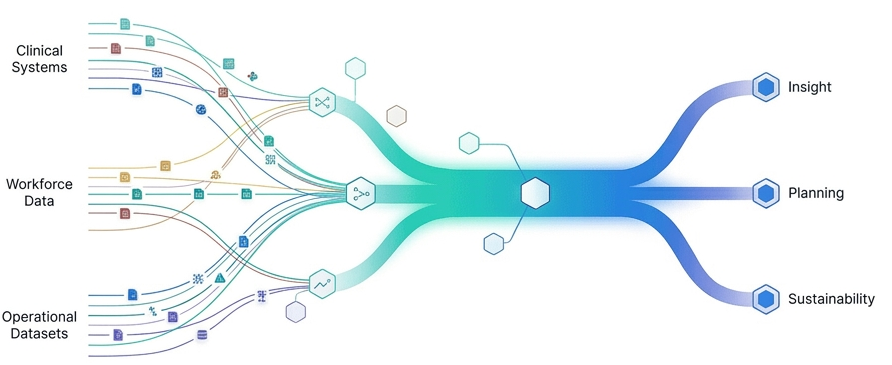
Benson integrates referral, activity and workforce data into a standardised model of CAMHS service delivery.
This provides a clear view of flow, backlog, pathway variation and capacity, enabling services to understand and improve performance.
Case Studies
What This Enables
Demand & Referrals
Understand referral volumes, sources and trends over time.
Waiting List Insight
Analyse backlog size, age and movement through the system.
Flow & Duration
Measure time to first contact, treatment duration and discharge patterns.
Pathway Variation
Identify differences in pathways, contacts and outcomes across teams.
Workforce Alignment
Assess staffing levels, roles and skill mix relative to demand.
Capacity Modelling
Test changes to demand, productivity or workforce and understand impact.
Outcomes
- Reduced waiting times through improved flow management
- Clear understanding of demand and capacity
- More consistent pathways and treatment duration
- Better alignment of workforce to demand
- Stronger evidence base for service redesign